From Bones to Buildings: Dr. Fred Albee and the Making of Venice
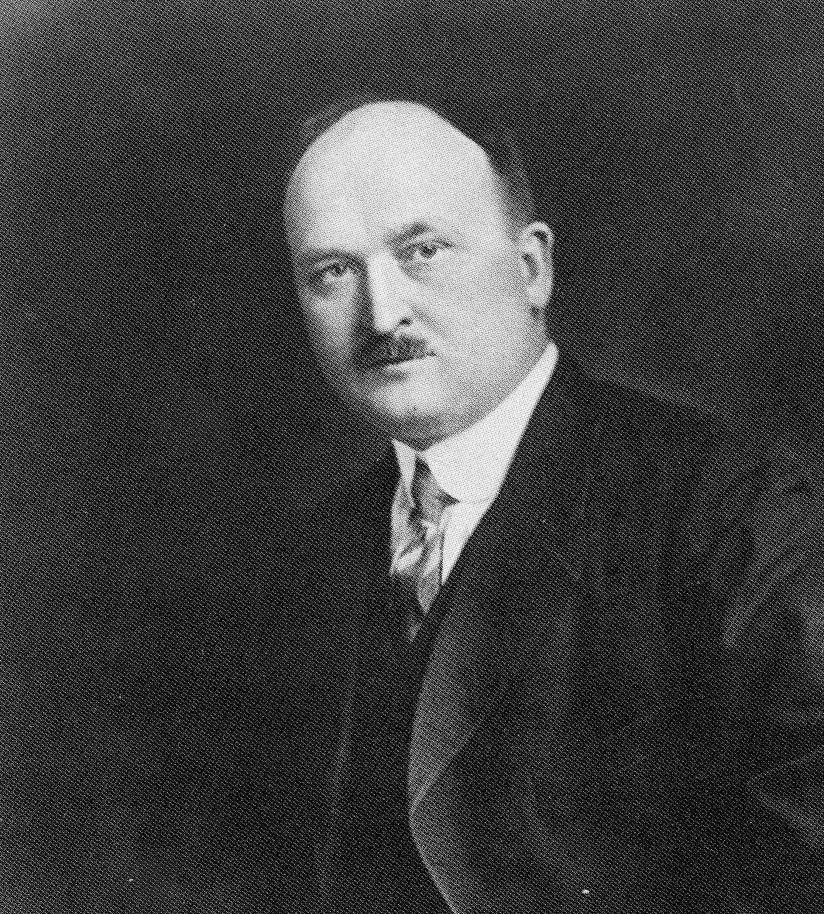
Frederick Houdlette Albee (1876–1945) was an American orthopedic surgeon known for inventing and developing modern bone grafting techniques. He got his medical degree from Harvard Medical School after attending Bowdoin College and started his orthopedic career in New York, eventually becoming the chief surgeon at the New York Postgraduate Medical School Clinic. Growing up on a farm in Maine, Albee learned about grafting from his uncle, who taught him how to graft trees. This early experience inspired his later surgical innovations.
In 1906, he performed his first successful bone-graft procedure to alleviate hip pain in a patient, which gained international recognition. By 1911, he had developed a method for spinal fusion using bone instead of metal, and in 1912, he invented the Albee Bone Mill, a power-driven device that made preparing bone grafts faster and more efficient. His work became especially important during World War I when he performed nearly half of all bone graft operations, saving many limbs from amputation.
Beyond surgery, Albee was instrumental in establishing orthopedic rehabilitation and served as chairman of the New Jersey Commission for Rehabilitation for over two decades. His influence extended into the development of Southwest Florida, particularly Venice and Nokomis. In 1917, he bought 112 acres in Nokomis and created the Nokomis subdivision while also building the Pollyanna Inn, a luxury hotel with 35 rooms.
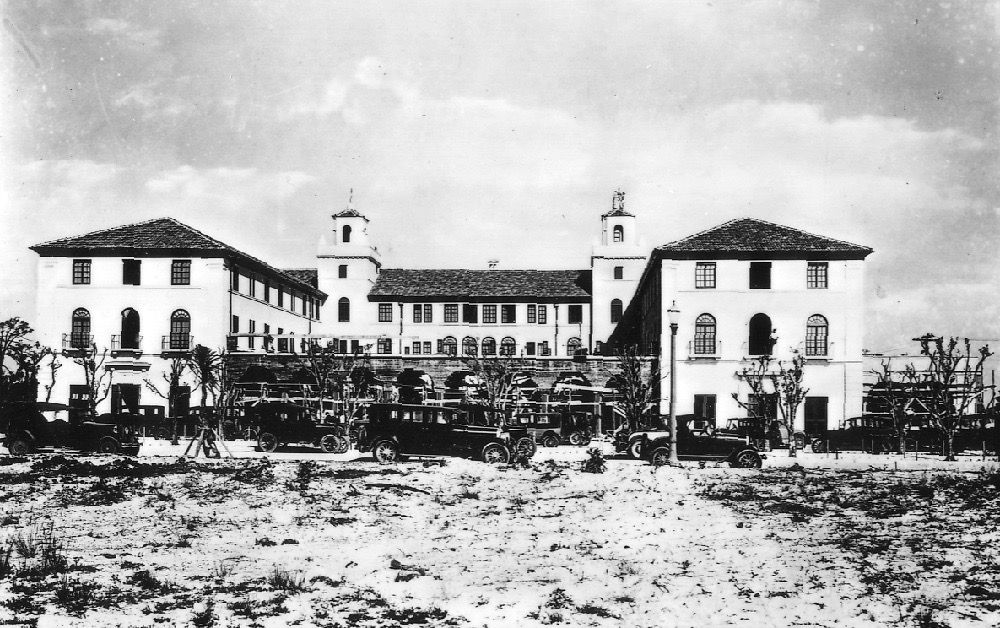
By 1925, he had expanded his holdings to nearly 1,500 acres, much of which would later become the modern city of Venice. He hired Harvard city planner John Nolen to design Venice and established the Venice-Nokomis Bank to stabilize the local economy during a volatile period. During the Great Depression, Albee converted the former Park View Hotel in Venice into the Florida Medical Center, a private hospital focused on healing through sunlight, wholesome diet, and physical therapy. The facility featured sun decks, a warm sulfur pool, and gardens that provided fresh food for patients.
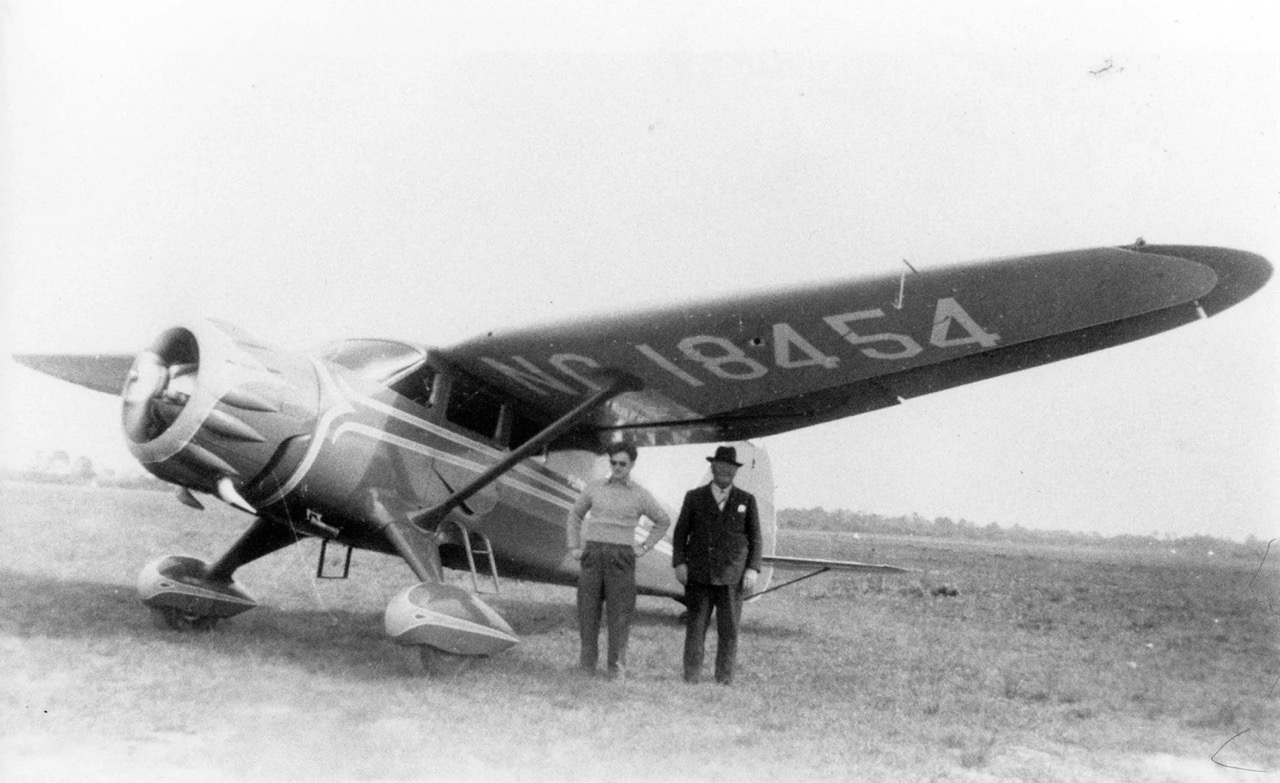
Always an innovator, Albee even introduced air ambulance service using his own airplane to transport patients. In 1942, during World War II, the U.S. Army took over the medical center.
After Albee's death in 1945, his wife sold many of the properties he had developed. However, his legacy lives on through exhibits at the Venice Museum & Archives that honor his medical breakthroughs and community development efforts. Albee Road, part of County Road 789 near Venice, also bears his name as a lasting tribute.
Recent Posts