
From Circus Town to Mid-Century Crown: The Twitchell Effect
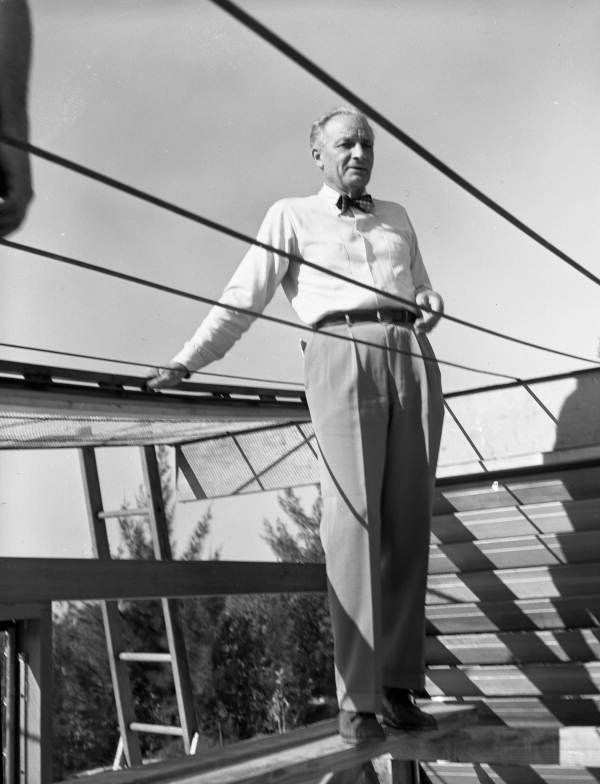
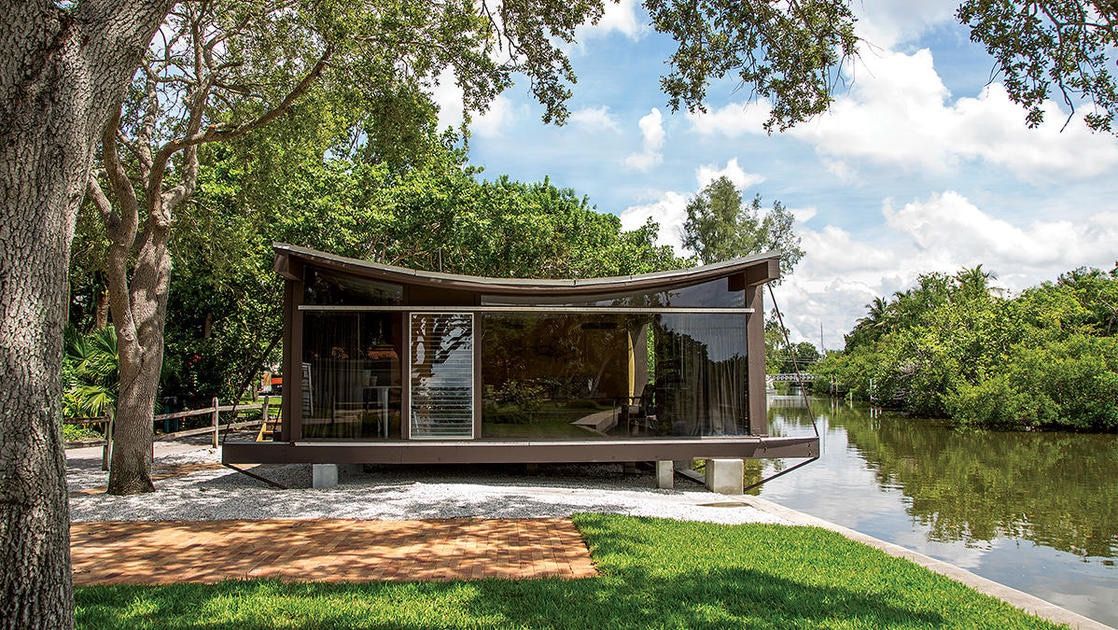

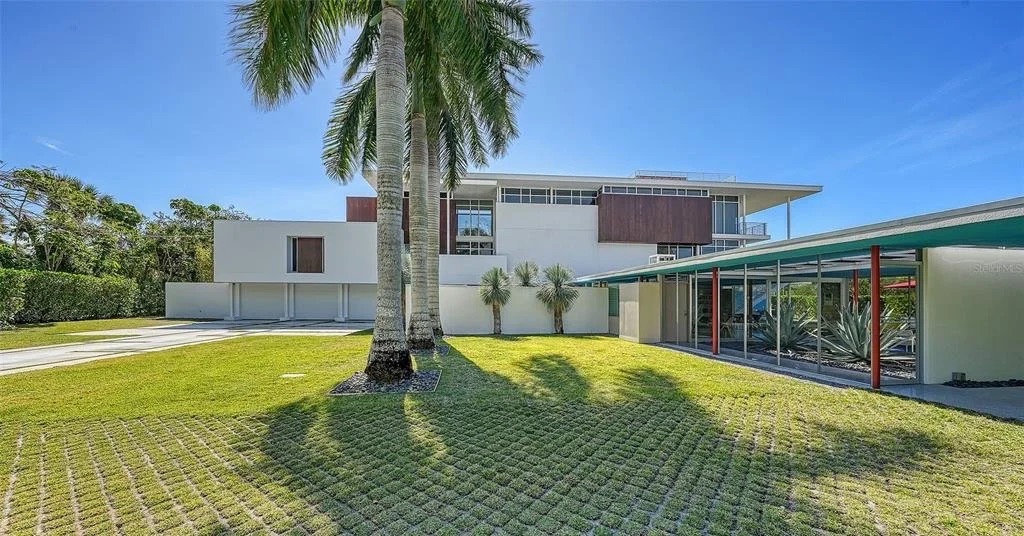
Ralph Twitchell is often called the father of Sarasota Modern, though if you asked him at the time, he might have just said he was trying to keep houses from melting in the Florida sun. Born in 1890, Twitchell arrived in Sarasota when it was more famous for circus elephants than for cutting-edge design. He quickly realized that dragging Northern architecture down to the subtropics was about as practical as wearing a wool suit to the beach. Instead, he started experimenting with ways to make homes breathe, shade themselves, and blend in with the salty, breezy lifestyle of the Gulf Coast.
Twitchell’s secret sauce was simple: listen to the climate. His homes opened wide to catch the breeze, stretched long overhangs to block the sun, and blurred the line between inside and outside living long before HGTV thought it was trendy. He wasn’t afraid of new materials either—concrete, laminated wood, even shipyard spray called “cocoon” ended up in his tool belt. And when he teamed up with a young hotshot named Paul Rudolph, Sarasota suddenly went from small-town sleepy to the architectural equivalent of a jazz club after midnight. Together they created marvels like the Revere Quality House, the Cocoon House (yes, it had a sprayed-on roof that looked as odd as it sounds), and the experimental Lamolithic homes that were supposed to be cheap, hurricane-proof, and modern—kind of like the Tesla of their day.
Twitchell left a permanent stamp on Sarasota, not just with his own buildings but by mentoring a generation of architects—Rudolph, Tim Seibert, Jack West, Victor Lundy—who carried the Sarasota School of Architecture into the spotlight. Thanks to him, Sarasota wasn’t just another beach town with pastel bungalows; it became a showcase of smart, stylish, climate-savvy design. In the end, Ralph Twitchell proved that architecture in Florida didn’t have to copy anyone else’s style. It could grow out of the sand, sun, and sea breezes all on its own—with a little creative engineering and maybe a dash of daring.
Recent Posts

Pritchard Hill: Napa Valley’s Quiet Apex
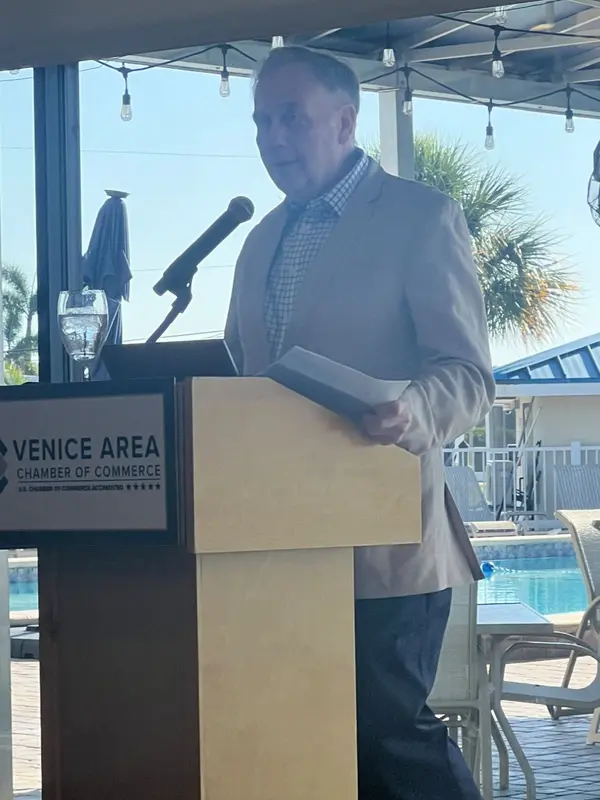
Dr Jerry Parrish, Chief Economist for Metro Atlanta Chamber speaks to the Venice Chamber

Why Venice, Florida is the Shark Tooth Capital of the World
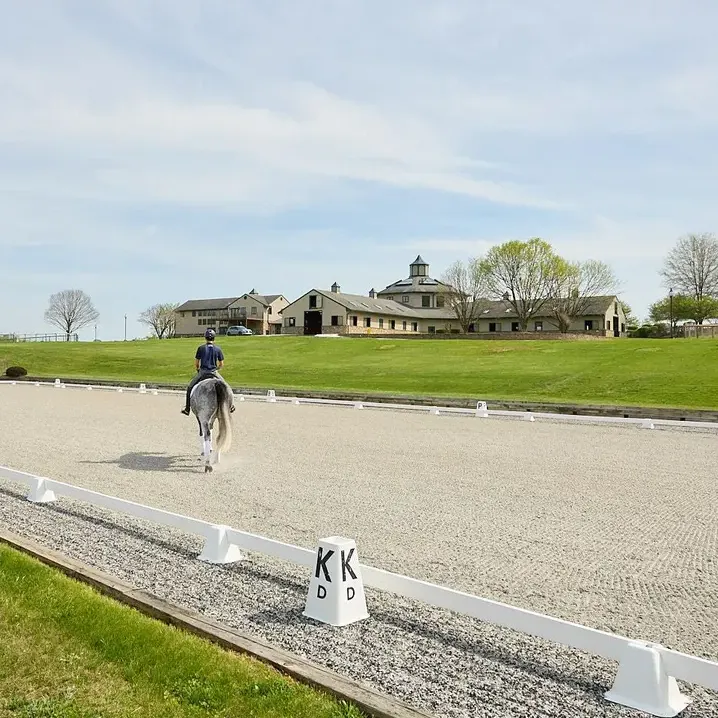
From Churchill Downs to Your Own Backyard: A Kentucky Derby Inspired Way of Living

Why More People Are Falling for the Balearic Islands as a Place to Call Home
Why Venice, Florida Is the New Hotspot for Retirees and Relocators

10 Questions You Should Ask When Looking at Homes

Selling Your Home in Today’s Real Estate Market: What Buyers Want Now
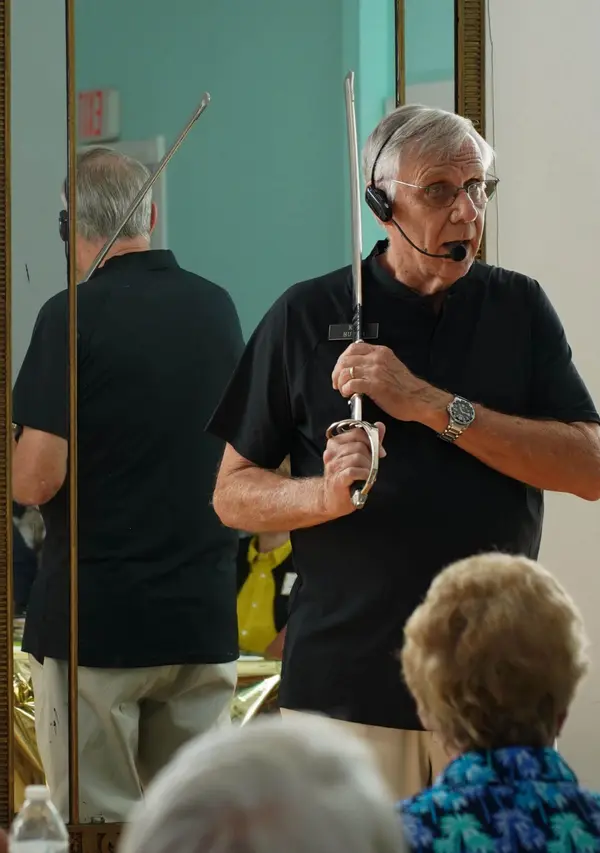
The Military School That Helped Build Venice, Florida — And Why It Still Matters Today

Avoid the Common Mistakes That Delay Big Money—Your Last-Minute Checklist for a Faster Refund